
Insulated thermal covers and blankets
Insulated thermal palet covers
When, where and how to use insulated thermal palet covers on transport of perishable products;
- For frozen: the transit distance doesn’t exceed 150 km or transit time more than 2 hours, where the ambient of the palet is refrigerated (0 – 6 degrees) without eutectics or dry-ice !
Note: Delivery from one Pallet to several destinations can not be allowed! For applications in non conditioned ambients (above 6 degrees) we disadvice usage! - For frozen: the transit distance may exceed 150 km or transit time more than 2 hours, where the ambient of the palet is refrigerated (0 – 6 degrees) with eutectic support and or dry-ice on top of the products!
Note: Delivery from one Pallet to several destinations can not be allowed! For applications in non conditioned ambients (above 6 degrees) we disadvice usage! - For chilled: in the right configuration the insulated thermal covers applied with blanket/ bottom will protect chilled products for at least 8 hours in ambients of dry with a maximum of 40 degrees! In case of midd-sommer heat 40+ is measured it is very well advised to add eutectic support in the top of the covers!
Note: Delivery from one Pallet to several destinations can not be allowed!
Insulated blankets/ bottom mats!

The configuration of products under insulated pallet covers with cold plates above should be verified in advance. The temperature inside the drapes should be monitored. DEISKO can support you in the verification processes and in the delivery of durable and practical loggers. When using covers for the distribution of frozen products, it is recommended to use the heaviest insulated covers (300 grams/m² Polywool©).
For the transportation of frozen perishable products (as called micro distribution)….
We do recommend OLIVO solutions!
Insulation thermal covers and blankets work both ways:
An insulating cover is therefore suitable for protection against heat and cold. If you have products that should not get cold (for example: bananas) but you want to send them chilled (0 – 4 degrees), a thermal palette cover can protect the bananas. A product that should not be frozen (for example: eggs or other fruit and vegetables) can be better protected in winter (in extreme cold) with a similar insulated blanket or cover.
Solutions for insulated cover products can also be used in other optimization issues. Our DEISKO science database provides answers to logistics optimization and conservation questions more often than you might imagine.
Insulated covers or blankets are where we think and care about a more sustainable circular economy.

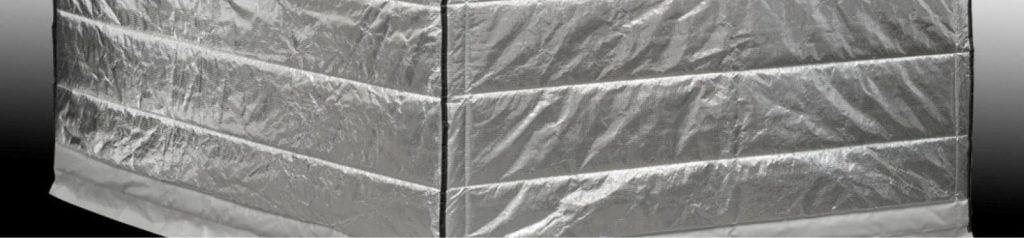
Our blankets provide superior thermal insulation, helping you save on energy costs and maintain appropriate temperatures. Perfect for different applications.
Learn more today!